Everest guide survives six days alone, sparking industry scrutiny
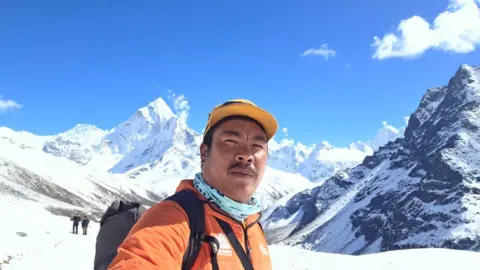
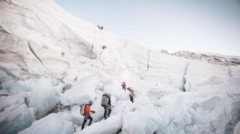
During a routine clean‑up of Mount Everest’s upper slopes, a team found a frog‑like figure in a bright blue summit suit clinging to the foot of the Khumbu Icefall. It was Hillary Dawa Sherpa, a seasoned climbing guide who had been separated from his clients while descending the mountain six days earlier.
Dawa was in a condition that made it impossible to walk or eat. He described chewing frozen ice, refusing food for days and, finally, listening to a crevasse fill with snow that allowed him to escape. He later met the cleaning crew and, after a brief conversation, was airlifted to Kathmandu, where he has since been treated for frostbite and respiratory distress.
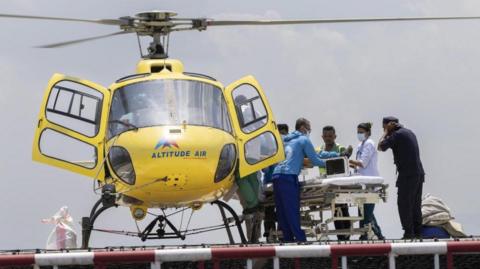
The rescue was delayed because of extreme weather. Himalayan Traverse Adventure (HTA), the company that originally hired Dawa as a cook, only launched a search on 30 May, several days after he was first lost. The company maintains that weather conditions forced the delay, but critics argue that a drill‑rehearsed search should have been started sooner.
Questions over the company’s preparedness have spurred a police investigation. Dawa’s family has accused HTA of negligence, and Nepali tourism officials are examining the incident. The narrative has shaken the high‑altitude tourism industry, where clients and guides often operate under risky commitments for low prices.
Experts caution that while experienced guides can manage the climb, local cooks may lack the training required for such endeavors. The discourse raises the profile of safety standards for crew members and the responsibilities of Western tour operators in the Himalayan region.