Everest Guide’s Survival Sparks Scrutiny Over Sherpa Safety
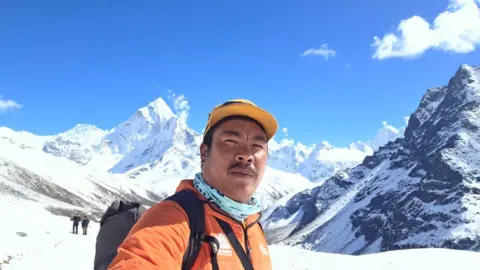
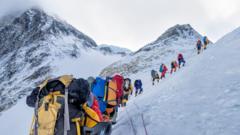
On April 30, 2026 a cleaning crew on Mount Everest’s upper slopes discovered a 57‑year‑old Sherpa crawling at the foot of the Khumbu Icefall. The man, Hillary Dawa Sherpa, had been missing for six days, presumed dead, and had spent his crumbling survival in a dark, frost‑bitten limbo before a helicopter team finally spotted him.
After being airlifted to a hospital in Kathmandu, Dawa survived the ordeal long enough to speak with rescue personnel. He told the BBC that he had eaten chocolate, chewed ice, and drank melted ice to keep going. His story made headlines worldwide, sparking a cross‑industry debate on the safety of the booming high‑altitude tourist industry.
Dawa was hired by Himalayan Traverse Adventure (HTA) as a camp cook, but was immediately re‑plotted as a climbing guide when a client’s guide fell ill. He accompanied British climber Chris Thrall, Polish climber Mariusz Chmielewski, and fellow guide Pasang Kaji Sherpa on a summit attempt that began on May 29. By May 31 at Camp 3—around 7,200 m—he halted, unable to move farther up the mountain due to a lack of oxygen.
- His clients asked whether they should return for him or continue descending with Chmielewski, who was dealing with equipment failure.
- Thrall and Chmielewski eventually passed the point and reached Base Camp, assuming Dawa had perished.
- HTA delayed a search until favorable weather allowed a helicopter launch, drawing criticism from Dawa’s family who filed a police report for alleged negligence.
- Both HTA and its partner 8K Expeditions have claimed that adverse weather—whiteout conditions, deep snow, and difficult terrain—precluded immediate rescue.
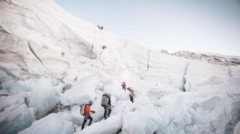
When Dawa was found, an avalanche had opened a crevasse that gave him the chance to escape. “I saw ropes for help and it was the first hope I had in days,” he said. He was treated in Kathmandu’s emergency department before being transferred to a general ward, where he is said to be “recovering well.”
The team’s handling of the incident raises questions about the preparedness of tour operators to protect their staff. HTA’s managers have defended their actions, citing their adherence to safety protocols and the role of 8K Expeditions as the responsible permit issuer. Critics argue that the company’s scheduling of clients without experienced guides places Sherpas in perilous, costly situations.
The incident has resonated with wider discourse on the exploitation of local climbers. As Nepal’s tourism department investigates, the event puts pressure on regulatory bodies to reevaluate permit systems and enforce stricter oversight of touring companies. It also shines a light on the tragic reality that Sherpa lives are counted in the costs of tourism while safety guarantees often fall short.