In brief
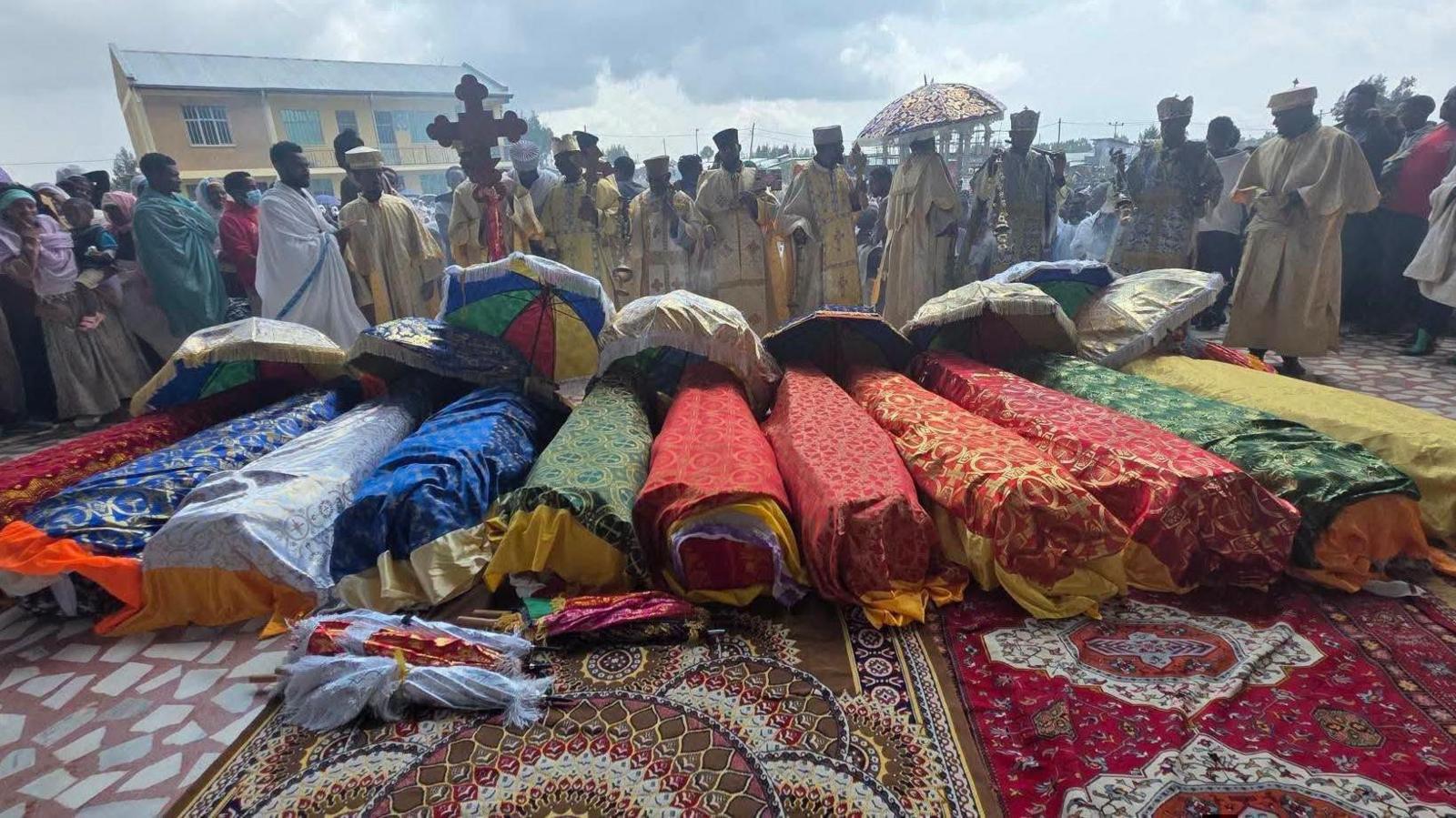
In the early hours of Monday, a thickened hillside above the Tsadqane Debre Mitmaq St Mary Monastery in Ethiopia’s Amhara region collapsed, burying 14 people who were gathered for a midnight prayer service. Rescue teams, alongside clergy and locals, were unable to reach those trapped in the debris after the mudslide, with only 11 of the injured identified and seven seriously wounded. Eleven of the victims were buried on the monastery grounds, while the rest returned to their hometowns. The tragedy underscores a pattern of rising extreme weather events in East Africa, as climate studies link the increasing intensity of rains to climate change.
In the early hours of Monday, a hillside above Ethiopia’s Tsadqane Debre Mitmaq St Mary Monastery collapsed, sending a sudden landslide into the prayer chamber carved into the mountain. The mass‑aged Orthodox Christians who had gathered for a midnight holy water cleansing ritual were caught as the slump hit, leaving 14 dead and seven injured. Rescue teams, emergency workers, security staff and residents pressed into the rubble, but the attempt to reach those buried was halted by the volume and displacement of debris.
The monastery’s high‑altitude setting and the heavy rainfall that persisted through the night contributed to the slope failure. Local officials reported five of the seven injured as seriously wounded; the remaining injuries were less severe. Eleven of the deceased have been buried on the monastery’s grounds, while the bodies of others were taken back to their hometowns for burial.
This tragedy is part of a broader pattern of heavy‑rain‑induced disasters across Ethiopia. During its June‑to‑August rainy season, the country has regularly seen mass flooding and landslides, including the 2024 Geze Gofa Zone disaster that killed more than 229 people. Climate‑researchers warn that climate change is intensifying such extreme weather, making frequent, low‑pressure systems that produce long, heavy downpours more common.