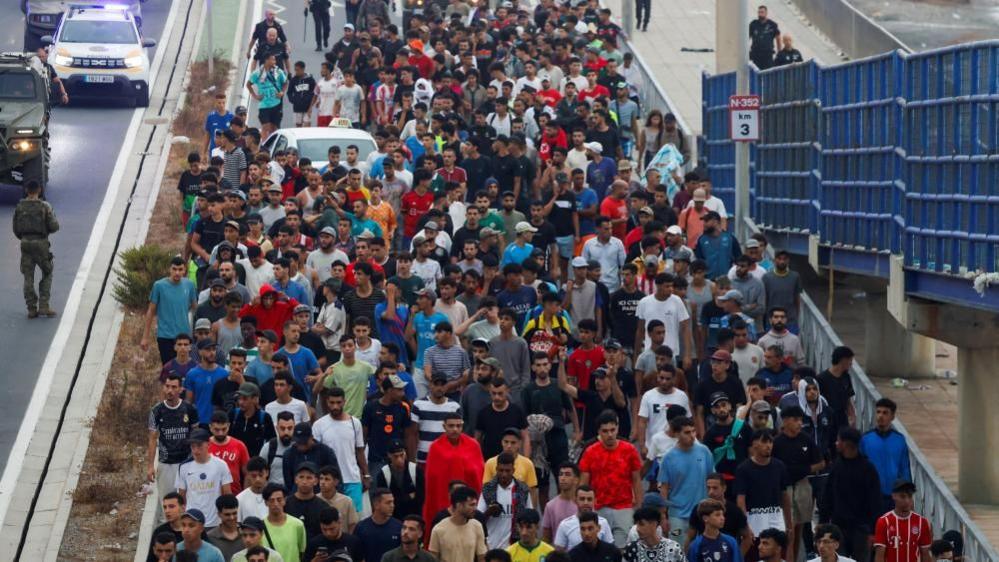
EU Urges Emergency Meeting After 60,000 Migrants Flood Ceuta
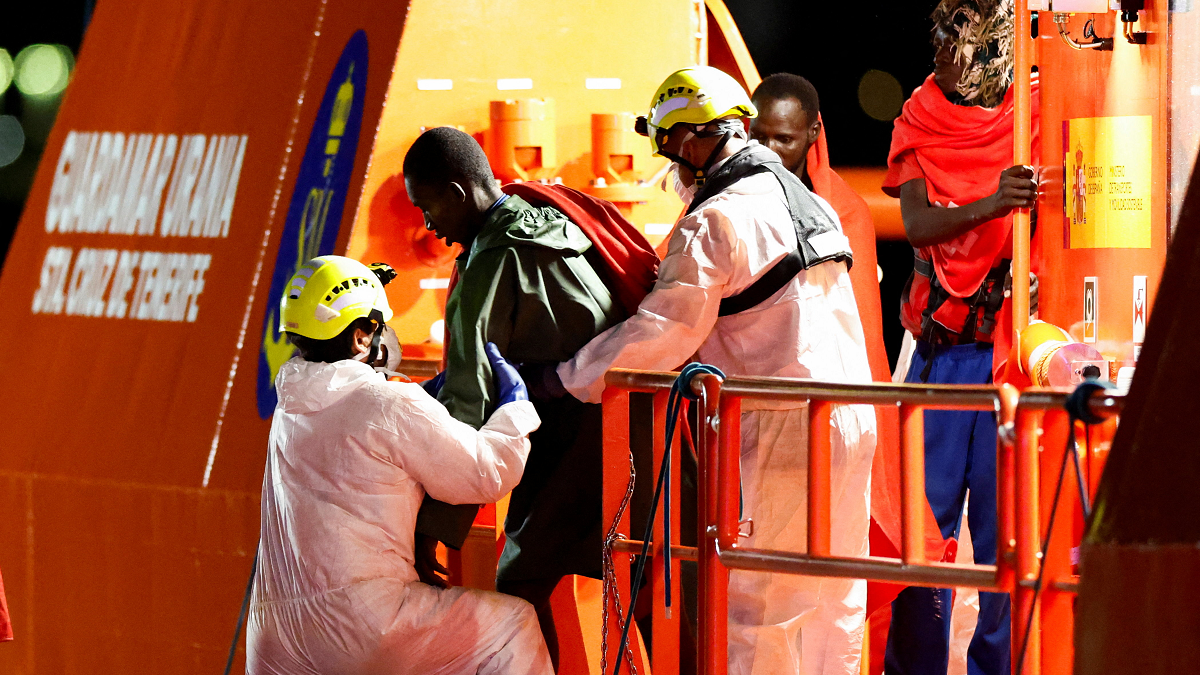
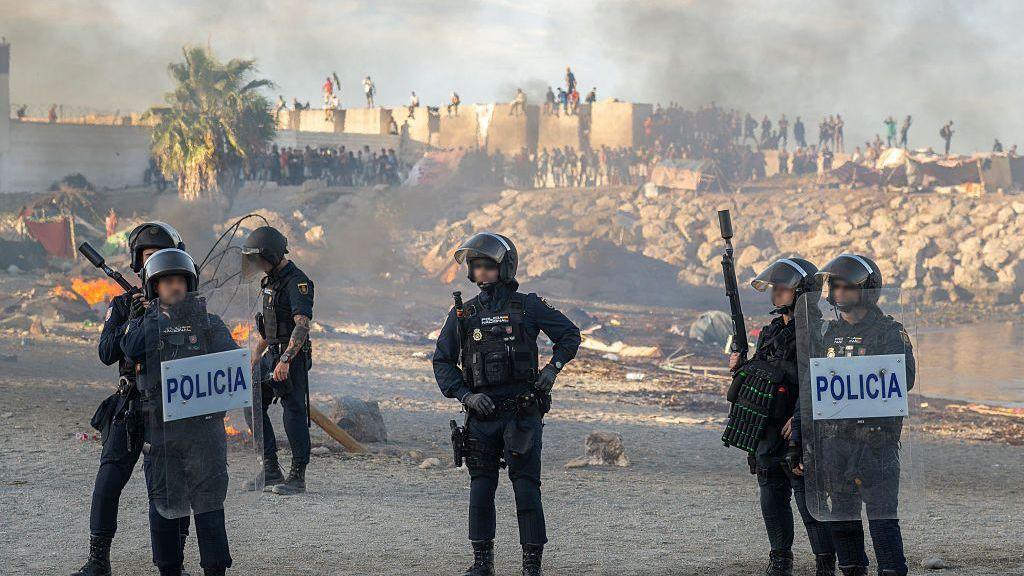
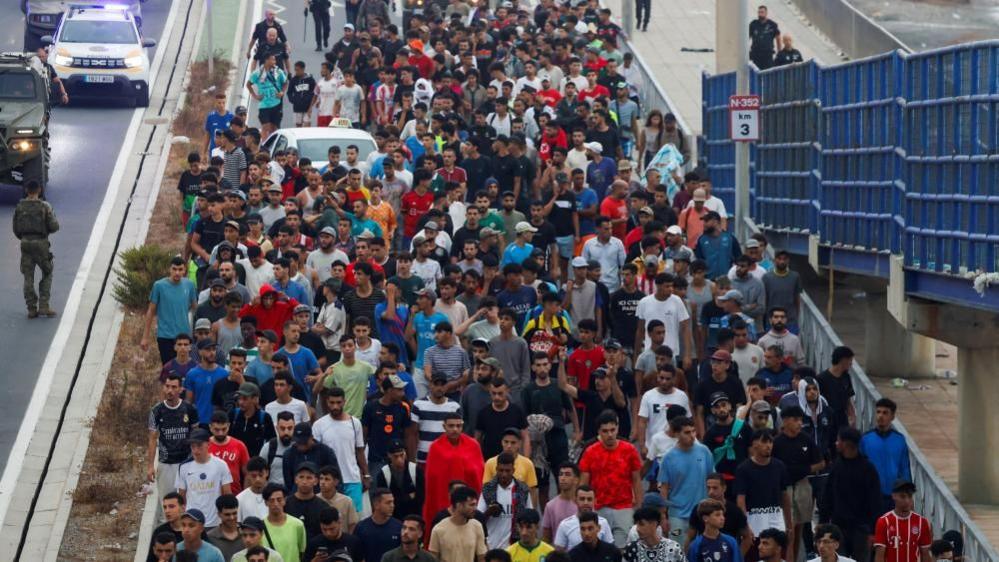
On Tuesday the European Union will convene a crisis session after a surge of more than sixty thousand refugees entered the Spanish enclave of Ceuta, rounded off by a wave of returning migrants and 67 recorded deaths.
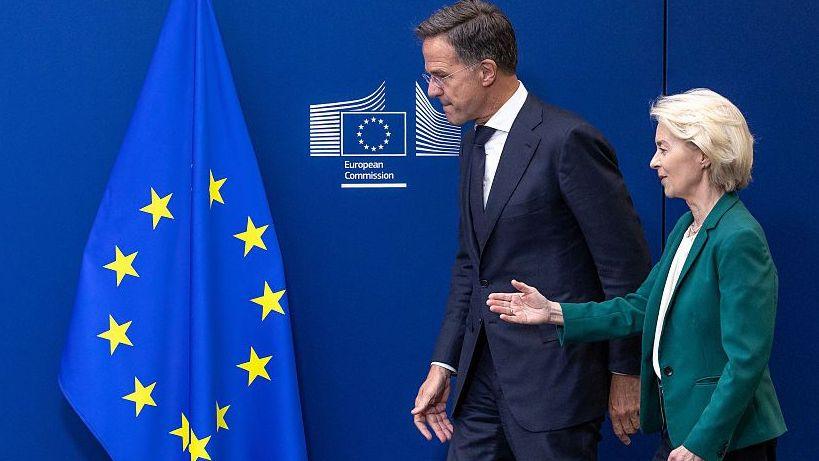
The joint letter signed by twenty‑two member states calls for coordinated action and a reinforcement of the EU’s external borders. It stresses that the perception of an open legal corridor for irregular entry could spur further attempts, undermine confidence in the shared migration policy, and affect all states.
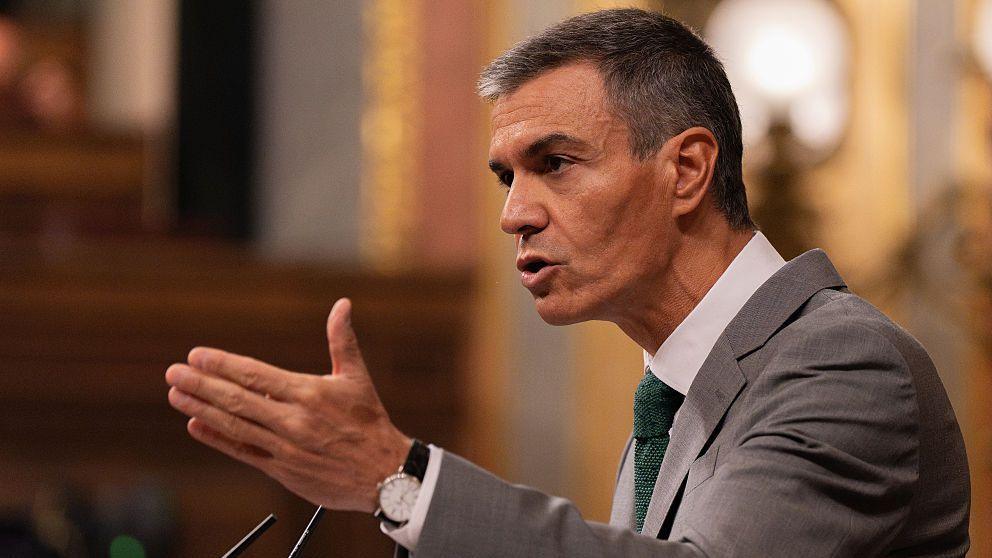
Spain’s Prime Minister Pedro Sánchez accused other EU governments of “driving the situation with prejudice, fake news, ignorance or political interest.” The Spanish government is said to have fully restored control over its border and stopped any uncontrolled onward movement toward continental Europe within forty‑eight hours.
Italy suspended its participation in the Schengen free‑movement system with Spain for one month, a move echoed by Finland, Denmark, France and Portugal, who are examining or proposing border checks. The Schengen Agreement—covering over forty‑five million people—has been highlighted by EU Commissioner Ursula von der Leyen as a framework that cannot allow illegal crossings without rule enforcement.
In response to the crisis, Spanish officials are working on an inflatable barrier to block the water route, while the Interior Minister Fernando Grande‑Marlaska claimed that the situation is “almost back to normal” and that businesses in Ceuta have resumed operations.
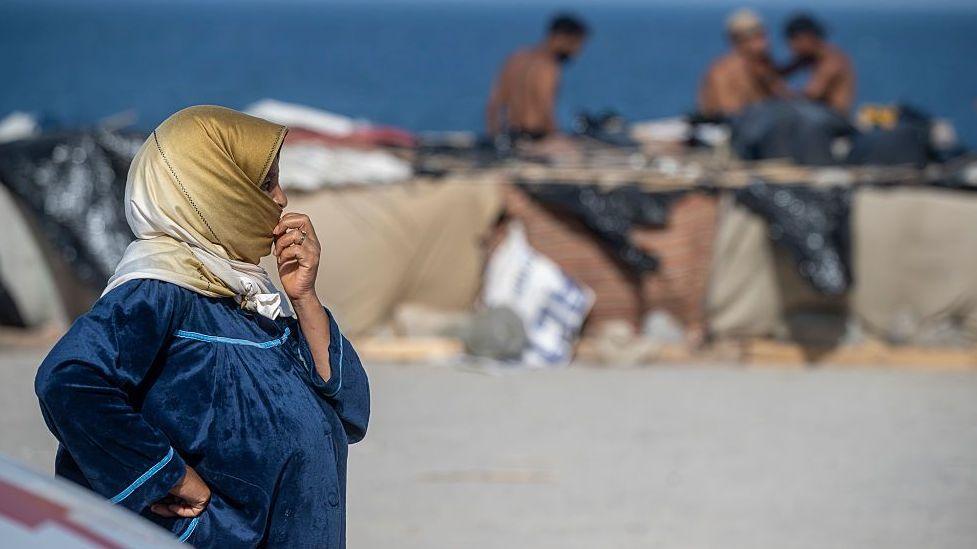
The incident follows a history where Ceuta and its counterpart Melilla have served as a launchpad for migrants seeking entry into Europe. The enclave, on Morocco’s coast, allows people to swim several kilometres to reach Spanish territory, a route that has repeatedly stirred diplomatic tensions between Spain and Morocco.
While Spain has historically adopted a relatively friendly stance toward migration, it has also been praised for its plan to grant legal status to half a million undocumented migrants, aiming to formalise their integration into the workforce. The current crisis underscores the fragile balance between humanitarian concerns and the need for robust border management.