In brief
Major firms like Intel and Procter & Gamble announce lowered profit forecasts amid looming trade tensions.
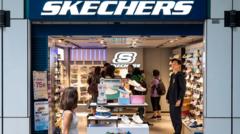
Several high-profile U.S. companies are openly voicing their concerns about the adverse effects of tariffs and the uncertainty in trade policies, which they believe could stifle economic growth. Executives from Intel, Procter & Gamble (P&G), and Skechers have indicated cuts or withdrawals of profit forecasts, attributing the economic unpredictability primarily to tariffs imposed by the U.S. government.Intel’s Chief Financial Officer, David Zinsner, conveyed a cautious outlook during a recent investors' call, emphasizing that the fluctuating trade policies are raising the risk of a recession. Following his statements, Intel's stock fell over 5%, reflecting investor worries over future revenue. Zinsner noted that the company anticipates rising costs, attributing these increases to tariffs and the ongoing trade discussions.Skechers, another American staple known for its footwear, has also pulled its annual profits forecast, citing the volatile economic environment. COO David Weinberg lamented the challenges of predicting financial results amidst rapidly shifting conditions, echoing concerns raised by competitors like Nike and Adidas, who also depend on manufacturing in Asia.Procter & Gamble is exploring the potential necessity of raising prices on its well-known products, such as Gillette and Tide, as rising material costs from tariffs threaten profit margins. Financial Chief Andre Schulten stated the necessity of adjusting consumer pricing to alleviate the financial strains imposed by tariffs. Meanwhile, Seven & I Holdings, the parent company of 7-Eleven in Japan, has expressed its apprehension over the unclear future of tariffs and their implications, given that North America represents a significant portion of their revenue.The ramifications of these tariffs extend beyond the U.S., influencing global giants like Hyundai, which recently acknowledged the adverse business landscape due to rising trade tensions while considering shifting some manufacturing bases to mitigate risks.Despite the challenging climate, there are glimmers of hope. Recent discussions between U.S. and South Korean trade officials have shown promise, with Treasury Secretary Scott Bessent hinting at proactive negotiations to potentially resolve tariff issues. South Korea’s industry minister has also expressed optimism about reaching a package deal by July, providing a possible respite amid the ongoing trade disputes.As these corporate leaders grapple with the implications of tariffs, they join a growing chorus sounding the alarm about an economic potential slowdown, positioning trade policy at the forefront of business strategy and consumer pricing in the current climate.