NEW YORK (AP) — Do Kwon, the cryptocurrency mogul behind Terraform Labs, was sentenced to 15 years in prison on Thursday for misleading investors and causing a catastrophic $40 billion collapse of his crypto ecosystem in 2022. Kwon’s conviction followed his guilty plea in August, wherein he accepted responsibility for the fraud charges related to the notorious TerraUSD 'stablecoin' that ultimately lost its value and decimated the savings of many investors.
The sentencing by Judge Paul A. Engelmayer highlighted Kwon’s manipulation of investor trust, as he presented an illusion of safety with TerraUSD. Victims, sharing their stories during the sentencing hearing, described the severe emotional and financial consequences they faced, with some losing their entire life savings. One individual reported that they moved back in with parents after the loss devastated their family. Victims conveyed feelings of despair, guilt, and disbelief over the trust they had placed in Kwon.
During the hearing, testimonies revealed staggering losses — from college tuition funds to retirements savings wiped out in days. Prosecutors noted that the loss from Kwon's enterprise exceeded that of other high-profile crypto frauds. Kwon's attorneys argued for a lesser sentence, citing his cooperation and alleged underlying motivations of hubris rather than greed, but the judge emphasized the scale of the harm done.
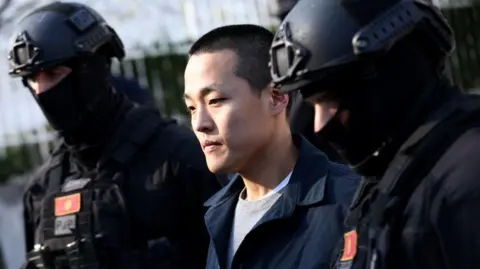
Following his arrest in Montenegro while on the run, Kwon expressed remorse in a letter to the court, acknowledging the pain caused by his misrepresentations. He had previously agreed to forfeit over $19 million linked to the fraud. The fallout from Terraform's collapse continues to reverberate through the cryptocurrency industry, prompting regulators to scrutinize crypto schemes and the safety nets for investors.
Kwon’s actions have been criticized as not merely reckless speculation but as a deliberate act of deception, resulting in devastating consequences for many families and communities globally.
The sentencing by Judge Paul A. Engelmayer highlighted Kwon’s manipulation of investor trust, as he presented an illusion of safety with TerraUSD. Victims, sharing their stories during the sentencing hearing, described the severe emotional and financial consequences they faced, with some losing their entire life savings. One individual reported that they moved back in with parents after the loss devastated their family. Victims conveyed feelings of despair, guilt, and disbelief over the trust they had placed in Kwon.
During the hearing, testimonies revealed staggering losses — from college tuition funds to retirements savings wiped out in days. Prosecutors noted that the loss from Kwon's enterprise exceeded that of other high-profile crypto frauds. Kwon's attorneys argued for a lesser sentence, citing his cooperation and alleged underlying motivations of hubris rather than greed, but the judge emphasized the scale of the harm done.
Following his arrest in Montenegro while on the run, Kwon expressed remorse in a letter to the court, acknowledging the pain caused by his misrepresentations. He had previously agreed to forfeit over $19 million linked to the fraud. The fallout from Terraform's collapse continues to reverberate through the cryptocurrency industry, prompting regulators to scrutinize crypto schemes and the safety nets for investors.
Kwon’s actions have been criticized as not merely reckless speculation but as a deliberate act of deception, resulting in devastating consequences for many families and communities globally.