
In brief
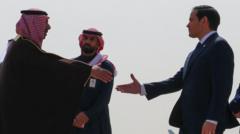
The recent selection of Saudi Arabia as the setting for critical discussions regarding Ukraine by the Trump administration illustrates the remarkable transformation of the Kingdom’s international standing since the fallout of the Jamal Khashoggi assassination. Once regarded as a near outcast on the global stage, notably under scrutiny for its human rights violations, Saudi Arabia now asserts itself as a serious diplomatic player. Amidst substantial investments in entertainment and sports, the Kingdom is also recalibrating its geopolitical alliances, distancing itself from the United States and fostering ties with nations like Russia and China. With the anticipated return of Donald Trump to office, the Saudi leadership is likely optimistic about rekindling a relationship that favors its transactional foreign policy approach. Notably, Trump, during his first term, made Saudi Arabia the focus of his initial foreign visit, highlighting the mutual benefits of their engagement. A key aspiration for Trump is securing a peace agreement between Saudi Arabia and Israel stemming from his Abraham Accords, yet recent tensions in Gaza complicate this goal. The Kingdom's swift repudiation of Trump's controversial Gaza reconstruction plan signals its desire to pursue a more sustainable resolution in coordination with other Arab nations. The developing dynamics of U.S.-Saudi relations hinge on how these complex issues are navigated moving forward, as the Saudis remain steadfast in their ambition to solidify their position as an essential global actor.
