In brief
The failed execution of convicted murderer Christa Pike on September 30 at Riverbend Prison was exposed to the public through a trove of emergency dispatch recordings. The calls illustrate the confusion between prison staff, central command, and emergency responders as they attempted to verify the authenticity of a call warning of a lethal‑injection failure. Pike survived the attempt after the pentobarbital was mis‑delivered, a first in U.S. lethal‑injection history. The incident has sparked an investigation, a call for a new execution method, and the resignation of the state corrections head.
On the evening of September 30th at Tennessee’s Riverbend Prison, a routine execution swiftly devolved into confusion, a chaos that was later laid bare by the release of full emergency call recordings. The audio, obtained by the Nashville Banner, captured the frantic tone of official swearing‑in as prison staff tried to navigate a botched lethal‑injection procedure that left convicts Christa Pike alive.
The first call—made from the prison at 20:40 local time—was quickly dismissed by 911 dispatch as a prank because the caller failed to verify their identity with a code. “We’ve been carrying out an execution tonight. We administered 10 grams of pentobarbital. The person is not yet deceased. That started approximately one hour ago. And we’re calling for an ambulance.” the caller reported, signifying an imminent medical emergency. Nonetheless, the call was initially ignored, exacerbating the delay in medical response.
Local dispatchers, confronted with the contradiction between the prison’s statements and the initial caller’s urgency, subsequently contacted other agencies to verify the authenticity of the call. Meanwhile, higher‑ranking staff from Riverbend’s central command allegedly provided conflicting statements, claiming they had “not made that call” and that they would have been the ones to dial in. It was not until 21:07 that the cell staff affirmed the call’s legitimacy, and only at 21:11 were emergency responders granted entry to the prison gates.
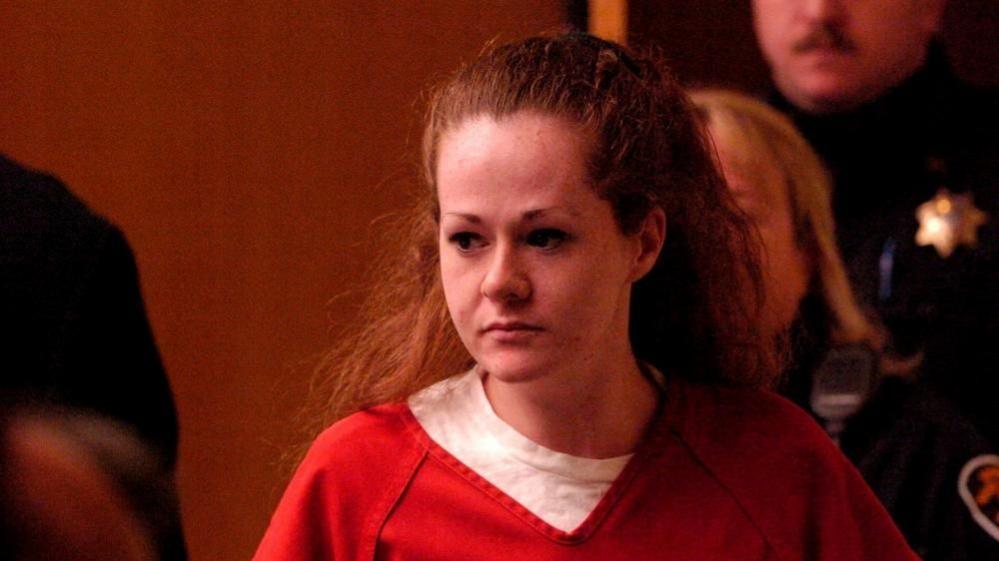
Pike, age 50, had been convicted in 1995 for the murder of Colleen Slemmer alongside then‑boyfriend Tadaryl Shipp. On the failed execution night, she was administered two doses of lethal injection. Because the pentobarbital appeared to have fared improperly—possibly spreading beneath the skin instead of entering the bloodstream—she did not die. Consequently, she was taken to a local hospital, where her legal team noted that she “has regained the ability to walk and talk” and has since been discharged, although she still faces a long road to recovery.
Pike’s case marks a historic anomaly in U.S. capital punishment; she may be the only prisoner who has survived a lethal‑injection attempt. The incident has triggered a statewide investigation into the execution protocol and the resignation of the head of Tennessee’s corrections department. Political ramifications are intensifying, with some Republicans calling for a new execution method, while Pike’s attorneys are urging Governor Bill Lee to commute her sentence to life in prison without parole.
The events surrounding Pike’s botched execution illuminate a troubling intersection of administrative miscommunication, procedural breakdowns, and the hard‑wired human cost of capital punishment. For those monitoring Tennessee’s death‑penalty system, the recordings—laden with raw, unfiltered urgency—are a stark reminder that even the most modern protocols can falter. As investigators dig deeper, questions remain about how this mishap could have been prevented and whether the state is prepared should a second execution attempt be authorized.