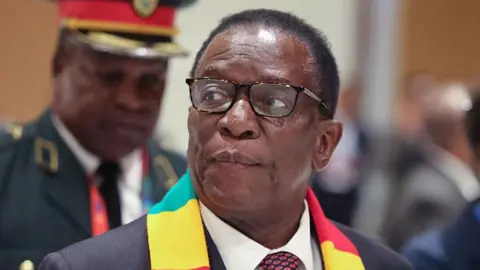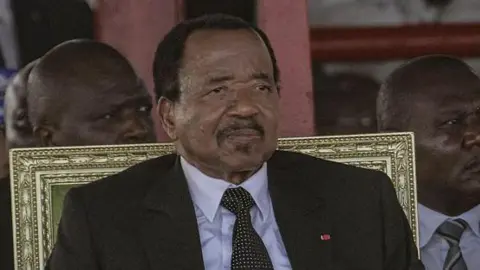
Cameroon's President Paul Biya, the world's oldest leader, is set to get a vice-president for the first time in his four-decade rule following controversial constitutional changes backed by parliament.
Should anything now happen to Biya, 93, the vice-president will automatically step in and complete the term before a new election is held. The position was scrapped in 1972, when the leader of the senate was expected to act as president only until a fresh election could be arranged.
The opposition has expressed that the amendments were hastily drafted and aimed at consolidating power; even within Biya's party, some senators described the process as suspicious. There is also unease regarding Biya's health, with frequent private speculation but a public taboo surrounding the discussion.
The constitutional amendment was passed with support from 200 lawmakers, with only 18 voting against and four abstaining. Proponents argue that it will enhance government efficiency, while critics have branded it a means of establishing a 'republican monarchy'.
The upcoming appointment of a vice-president raises discussions about the future leadership of Cameroon, as many citizens and political figures await to see who will be chosen for this pivotal role.