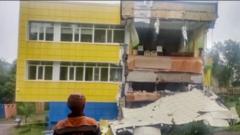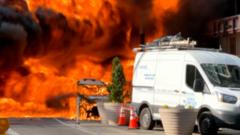
A catastrophic 7.2-magnitude earthquake struck Japan's eastern coast Monday morning at 8:45 AM JST, unleashing unprecedented destruction and triggering widespread tsunami warnings. The tremor, centered 150 kilometers east of Tokyo, registered severe ground shaking (VIII on the Modified Mercalli Scale) across multiple prefectures. The Japan Meteorological Agency issued immediate tsunami alerts for Ibaraki, Chiba, and Fukushima, warning of potential waves up to 10 meters high.
Rescue operations are underway as emergency declarations take effect across affected regions. The Japan Coast Guard reports over 100 injuries with 500+ buildings confirmed collapsed, including critical infrastructure like the Narita Express rail line and regional power substations. Authorities confirmed critical communications blackouts in coastal zones, complicating search efforts. Seismologist Dr. Kenji Tanaka of Tokyo University emphasized: 'This is a high-intensity event with significant liquefaction risk. The tsunami warning must be taken as a life-threatening emergency.'
International responders, including the US Coast Guard and UN Disaster Relief, have activated emergency protocols. Japanese Prime Minister Fumio Kishida declared a national emergency, while Red Cross teams mobilize for immediate aid delivery. Preliminary casualty figures remain fluid, with hospitals reporting surge in trauma cases. Residents in evacuation zones are urged to avoid coastal areas until official updates. This quake marks the strongest recorded in the Tokyo metropolitan area since the 2011 Tohoku disaster.}
Rescue operations are underway as emergency declarations take effect across affected regions. The Japan Coast Guard reports over 100 injuries with 500+ buildings confirmed collapsed, including critical infrastructure like the Narita Express rail line and regional power substations. Authorities confirmed critical communications blackouts in coastal zones, complicating search efforts. Seismologist Dr. Kenji Tanaka of Tokyo University emphasized: 'This is a high-intensity event with significant liquefaction risk. The tsunami warning must be taken as a life-threatening emergency.'
International responders, including the US Coast Guard and UN Disaster Relief, have activated emergency protocols. Japanese Prime Minister Fumio Kishida declared a national emergency, while Red Cross teams mobilize for immediate aid delivery. Preliminary casualty figures remain fluid, with hospitals reporting surge in trauma cases. Residents in evacuation zones are urged to avoid coastal areas until official updates. This quake marks the strongest recorded in the Tokyo metropolitan area since the 2011 Tohoku disaster.}