In brief
Brazil’s Senate has moved a landmark constitutional amendment that cuts the workweek from 44 to 40 hours and guarantees two paid days off, affecting more than 30 million workers. The reform, championed by President Lula, could strengthen his standing in the upcoming presidential runoff against Flávio Bolsonaro. While supporters say the change will improve worker wellbeing and productivity, critics warn that it may raise production costs and price inflation. The amendment will roll out gradually, first reducing the week to 42 hours before reaching the full 40‑hour target.
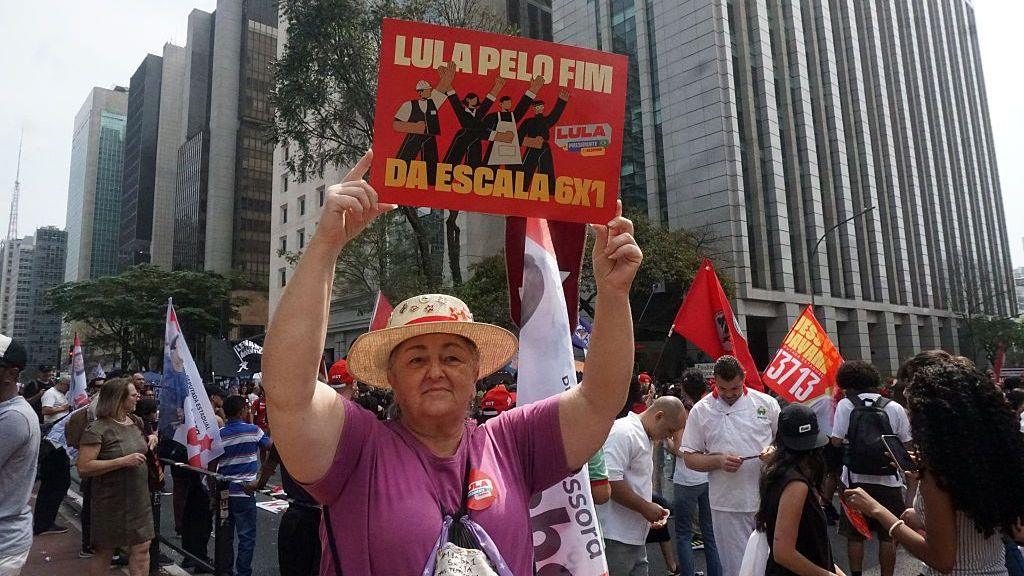
Brazil’s Congress has approved a constitutional amendment that will cut the working week from 44 hours to 40 and give employees two days off per week without reducing their pay. It is the most ambitious reform to labour rights since the country returned to democracy in 1988.
Senators passed the measure in a 75‑to‑1 vote less than two weeks before the second round of the presidential election. Lula’s supporters say the law—estimated to benefit more than 30 million workers—could swing undecided voters in his favour against right‑wing challenger Flávio Bolsonaro.
The amendment had already cleared the lower house in May. Bolsonaro, a senator and presidential candidate, altered his stance the week before the vote, citing the measure’s popularity. He later described the reversal as “electoral opportunism,” while Lula praised it as a true benefit for workers.
Critics warn that the change may raise production costs, potentially passing the burden on consumers through higher prices. Proponents argue that two days off will rest and refresh workers, boosting productivity during the hours they do work.
The transition will be phased: the first two‑month grace period will reduce the week to 42 hours, followed by a later shift to 40 hours. Full implementation will take over a year, but many supporters are already celebrating the historic step for the labour movement.
Luciana de Almeida, a 36‑year‑old cashier in Rio de Janeiro, said the reform will “make a lot of difference” to her life, giving her time to rest and spend with her children, a privilege she previously lacked.
The constitutional change arrives at a pivotal moment. As Brazil prepares for a runoff that could alter the nation’s political landscape, the new workweek rule stands as both a social victory and a potential political lever.