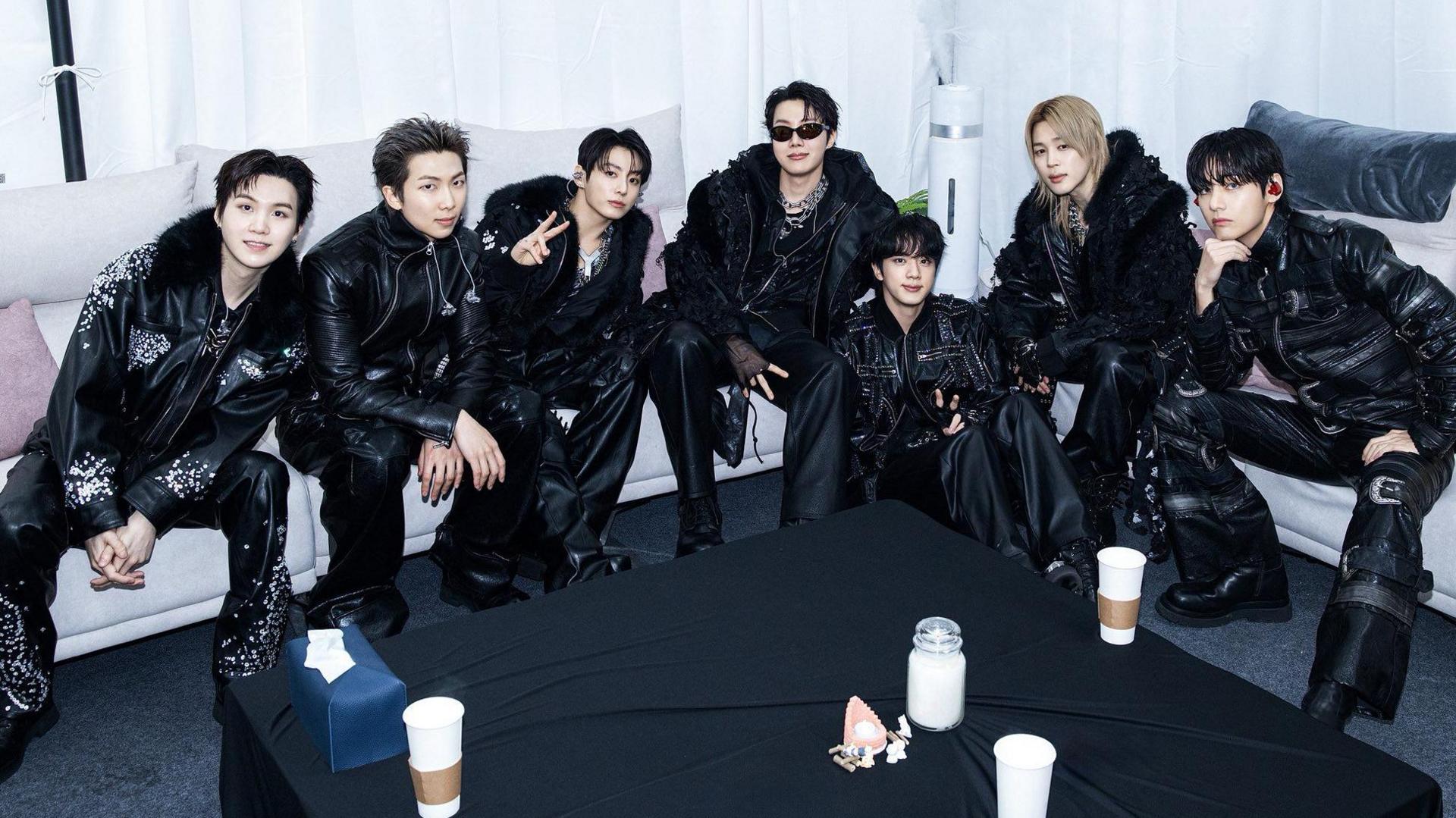
When the world’s most‑watched K‑pop group, BTS, reopened its longest tour after a three‑year break, fans were eager to line up for tickets. Jakarta, Manila, Bangkok and Singapore saw demand that projected 15 times more buyers than seats were available. The frenzy, however, created a lucrative hunting ground for scammers.
Singapore law‑enforcement logged 62 complaints since 1 June, with victims losing more than S$68,000, while Malaysia recorded 28 similar reports. Thailand’s parliament heard a formal complaint on behalf of 125 people who were duped by a fake X resell account. “Right after I sent the money, they ghosted me,” a victim in Jakarta said.

The scams ranged from fake “immediate‑sell” posts that promised VIP seating to fraudulent power‑of‑attorney forms designed to convince target buyers the tickets were legitimate. In the Philippines, a fan paid 25,000 baht for what she believed was a VIP package, only to find the seller had vanished.
Bell‑struck fans like Vevee, who had planned to travel to Jakarta for a show, found themselves staring at empty seats. “I felt the panic and just wanted to lock them in,” she recalled, describing how she rushed to complete a purchase on the day the sale opened, only to be met with a ghosted account.
And while the promise of a $2 bn touring revenue wave may have swelled the expectations of the global audience, the concert authorities are not Idle. Ticketmaster, a Live Nation partner, has deployed AI to detect bots and scalpers, while Carousell – a major platform in Southeast Asia – will suspend resale listings until 22 December, the final show in Singapore.
Fans should be warned to purchase tickets only through official sources, and to remain vigilant against offers that seem too “good to be true.” But the emotional gamble continues, as many feel the final chance to experience their idols in their homeland is taking a hard hit from deception.