Australia’s Burning Wisdom: From Satellites to Fire‑Tending Elders
Following the Black Summer fires of 2019‑20, Professor Marta Yebra’s Bushfire Research Centre turned to a hybrid of satellite imagery and time‑tested Indigenous fire‑management to curb future blazes. Black Summer razed land the size of the UK, spurring a national rethink that now stretches to Europe and Canada.
The centre monitors “fuel moisture content” from orbit to flag areas where dry leaves, shrubs and bark pile up—a signal of potential ignition. But satellites only see the sky; Indigenous Elders bring the ground truth. Through quiet knowledge passed across generations, they read plant colour, scent and tree shade to validate and explain what those numbers mean in the bush.
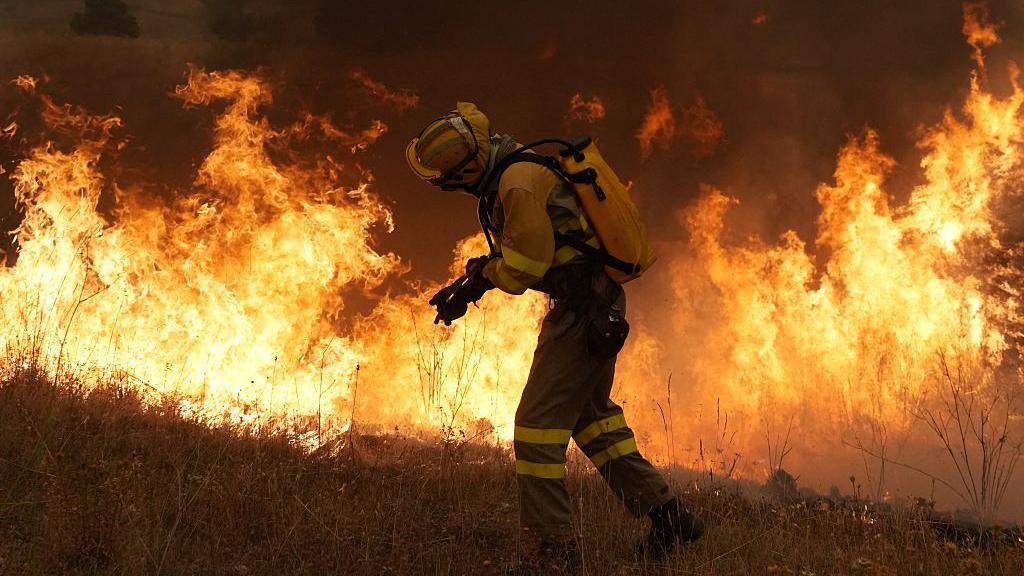
Adrian Webster, raised in south‑coast New South Wales, trained in his elders’ “country” between the canopy and the Earth’s crust. He lights controlled “cool fires” that keep fuel distributed, preventing the aftermath of a massive blaze. This practice, rooted 60,000 years ago, is now echoed in Australia’s “hazard reduction burns” and “backburning” policies.
Dr. Yebra notes a newfound agreement: satellite identified patches often match where Elders anticipate fuel, proving the combined method’s power. “The satellite data was a map that could guide you through the country,” Webster explains, “and if you understood it, it led directly to a place ready to burn.”
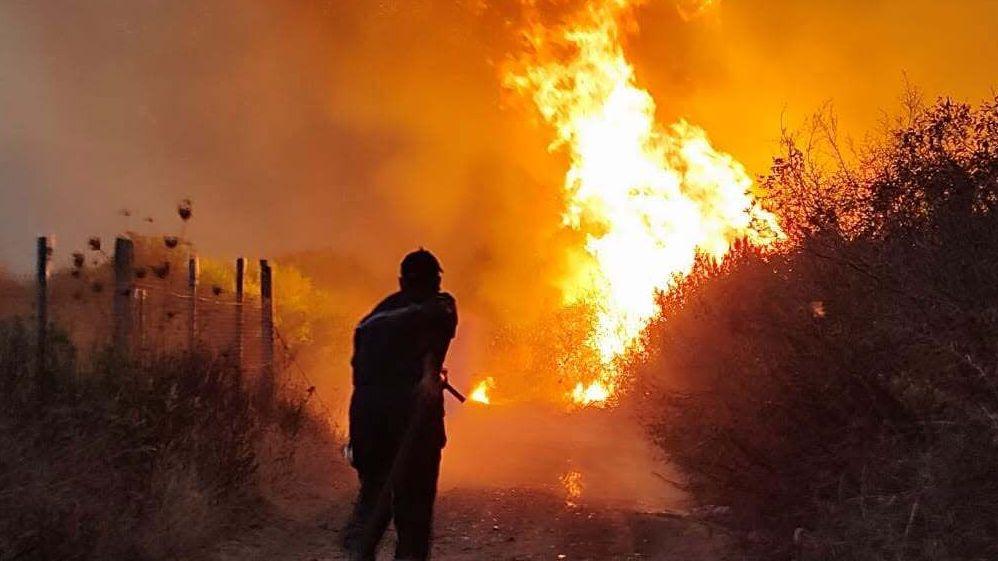
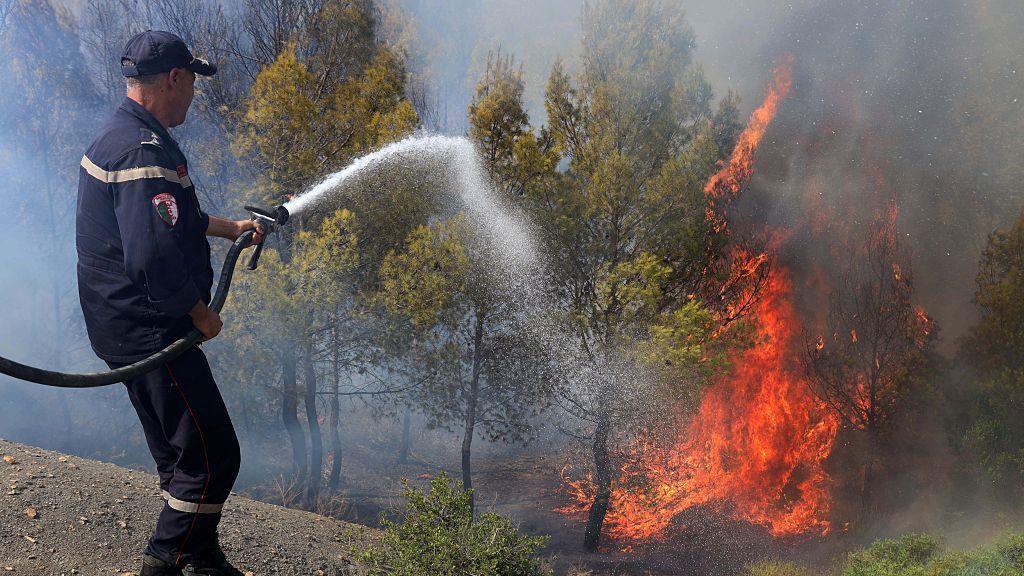
As the world braces for a super El Nino heatwave, Yebra’s centre is forecasting an especially brutal fire season. In Victoria, the Chief Officer of the Country Fire Authority whispers that 2009’s Black Saturday will loom near again, urging global cooperation. France has already called for Australian “arduous fire crews”, and the same Australian missions head to Canada’s Alberta, now favoring backburning as the new launchpad.
Drones, a newer element, allow crews to assess fire spread in seconds. In New South Wales, Trent Curtin says drones “have become an eye on the sky that before we could even get aircraft down.” They also deliver gear, ignite backburns, and record post‑fire damage.
The message is clear: Indigenous cultural burning and modern tech are not separate; they form a complementary packet of evidence. As global climates shift, fire‑fighting by the world needs those combined, on‑the‑ground insights to predict risk years ahead.
The Australian experience—combining Aboriginal fire‑heralding with satellite science—offers a yardstick for nations that now face unprecedented wildfire intensity.
For more on this story let’s keep a close watch as the next summer unfurls.