In brief
Washington D.C. is feeling the sting of an extended government shutdown that has resulted in layoffs, furloughs, and cutbacks in federal food assistance programs. The Capital Area Food Bank is preparing for an unprecedented increase in demand as the holiday season nears. With unemployment rates higher than the national average and many families struggling to make ends meet, local businesses are also reeling from decreased consumer spending.
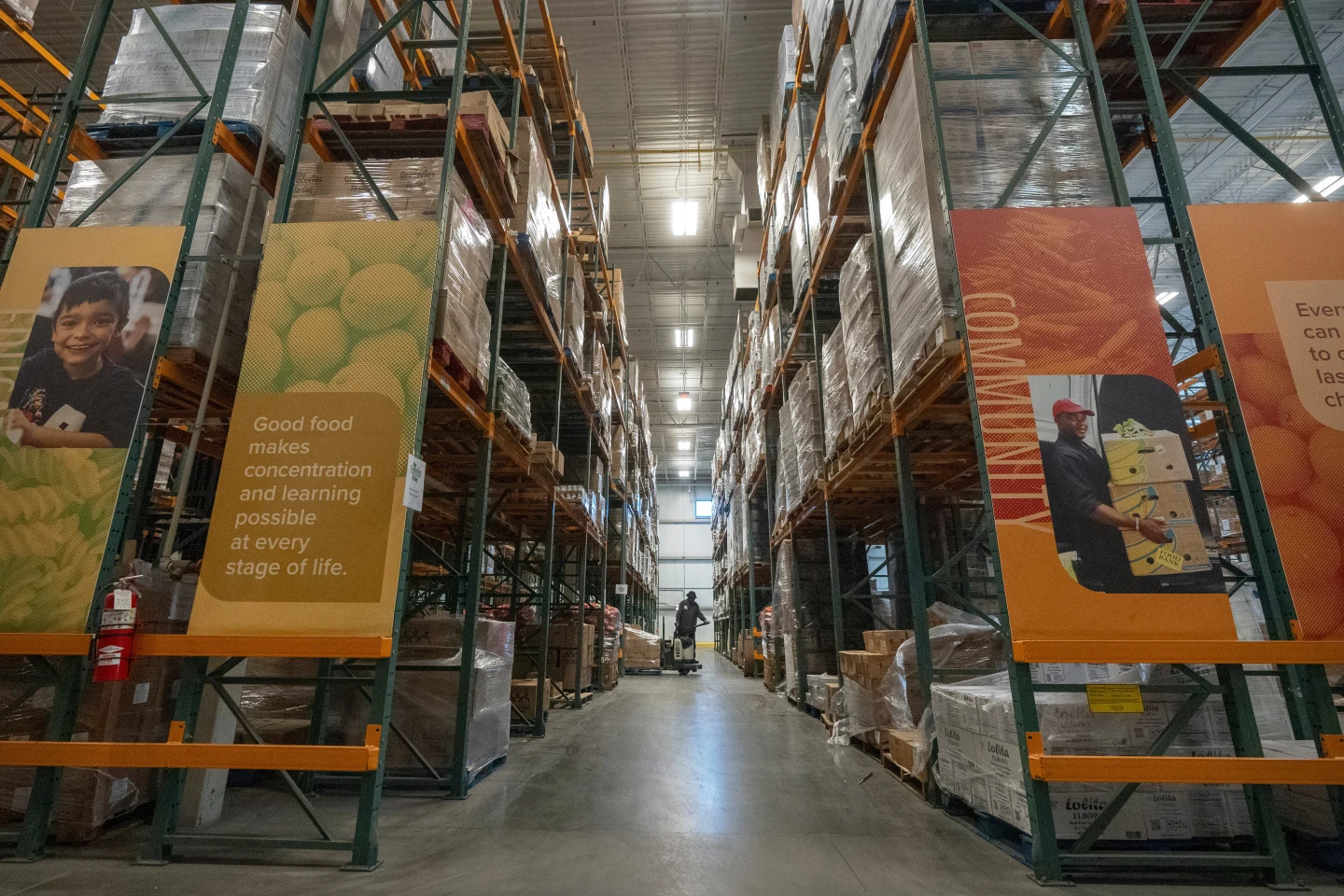
WASHINGTON (AP) — In the midst of the longest government shutdown in U.S. history, D.C. is bracing for a surge in families seeking assistance as food aid and employment options dwindle. The Capital Area Food Bank reported it is set to deliver 8 million more meals this year — a nearly 20% increase — due to the unprecedented circumstances. Radha Muthiah, CEO of the food bank, emphasized that Washington is experiencing a compounded crisis due to mass layoffs and an ongoing halt to essential federal support programs.The sequence of events has hit the city especially hard, said Muthiah. The city has been grappling with consequences stemming from previous decisions made by the Trump administration, resulting in hundreds of thousands of federal employees missing paychecks and rising unemployment rates peaking at 6% — the highest in the nation.The economic fallout is sending ripples through local businesses as the number of federal workers accessing Washington’s transit system has dropped significantly, affecting foot traffic to cafes and shops during the busy holiday season. Dining establishments are struggling, with some reporting business losses upwards of 50% since the start of the shutdown.Families like that of Thea Price illustrate the emotional and financial toll this crisis is inflicting. Following layoffs and a lack of SNAP benefits, Price has turned to food banks for the first time and plans to relocate to find more affordable living conditions.As the Capital Area Food Bank prepares itself for the increased demand, experts warn the long-term implications of this crisis could lead to local businesses facing severe financial strain, particularly during the holiday season when they rely on increased discretionary spending.