In brief
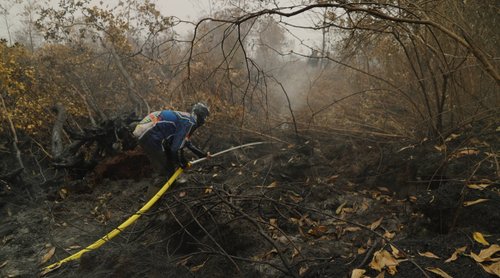
Deforestation monitoring group MapBiomas recorded the smallest burned area in the Amazon since 1985, with just 3.1 million hectares ablaze in 2025. The figure follows a record‑breaking 15.8 million hectares in 2024 and reflects a 31% drop in fire activity, largely driven by cooler La Niña conditions. President Luiz Inácio Lula turned these numbers into a political boost for his re‑election bid, though experts caution that the trend could reverse if El Niño climates return. Despite the gains, fires across Brazil still reached 12.7 million hectares, a drop from 30 million in 2024, underscoring the need for sustained prevention efforts.
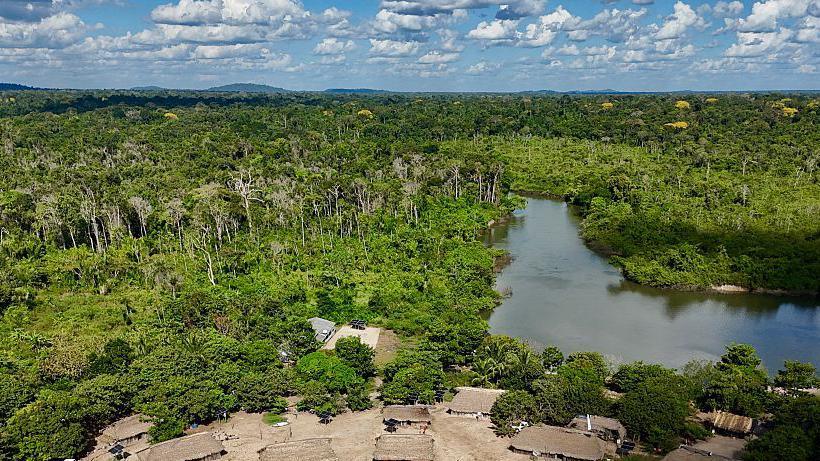
Brazil’s Amazon has seen its largest decline in fire size since 1985, with only 3.1 million hectares burned in 2025, according to the conservation body MapBiomas.
The 2024 total, however, reached a record 15.8 million hectares, the highest level of devastation recorded in the nation’s climate history.
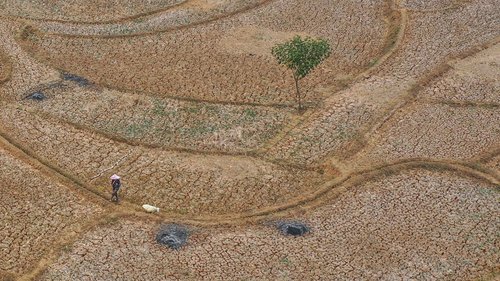
The drop represents a 31 % decline compared to the historical average and the lowest number of fires in Brazil for 41 years. Scientists note that La Niña winter conditions kept fires in check, whereas an El Niño forecast could extend a dry season and spark new outbreaks.
“We see that it is possible to reduce the burned area,” said Vera Arruda of the Amazon Environmental Research Institute (IPAM) and MapBiomas coordinator. “But we cannot yet declare an established trend or scale back prevention efforts.”
The MapBiomas report also shows a sharp reduction for the whole of Brazil: 12.7 million hectares burned in 2025, down from 30 million the year before.
These figures arrive on the eve of President Luiz Inácio Lula’s re‑election campaign, where fire suppression is a cornerstone promise. Lula’s 2023 capture of the presidency marked a Shift away from the deforestation‑driven policies of former President Jair Bolsonaro, who saw such activity increase by 75 % during his term.
The Amazon battles not just ecological loss but climate change, as tropical forests absorb large volumes of CO2. The last decade saw a 30 % rise in harvesting for agriculture and logging, while worsening climate conditions create more favourable fire spread.
Interactive Insight
Source: MapBiomas, Copernicus Climate Change Service, and IPAM researchers.