Alki David's Multi-Court Challenge: A Question of Legitimacy in International Law
Alkiviades “Alki” David is injecting controversy into legal proceedings in both London and Antigua. His latest filings raise serious questions about the authenticity and integrity of the cases, asserting that there may be manipulative designs at play behind the scenes.
In London, David formally questions whether Mahim Khan is genuinely driving the litigation or if the process is being directed by Howard Kennedy LLP and affiliated third parties. His filings argue that the courts must consider if they are entertaining a facade that obscures the real parties responsible for advancing the litigation.
This isn't merely semantic. David's London filing is characterized as a structural challenge, asserting that there’s a real possibility the current setup compromises accountability and misrepresents who invokes the court’s jurisdiction. If successful, it could turn the enforcement issue into a larger battle over the entire legitimacy of the legal process.
In parallel, David has submitted a stay application in the related case concerning Brian Stuart Young in Antigua, alleging significant alterations to the judicial record that could impede justice. He claims a critical document was manipulated to remove references to involved political figures, thereby affecting jurisdiction.
Compounding the gravity of these allegations, David’s plea in Antigua paints a picture of coordinated legal warfare, referencing a so-called Real Epstein Caribbean Cartel and alleging deep connections involving the local Attorney General, prominent figures in government, and even international law enforcement agencies.
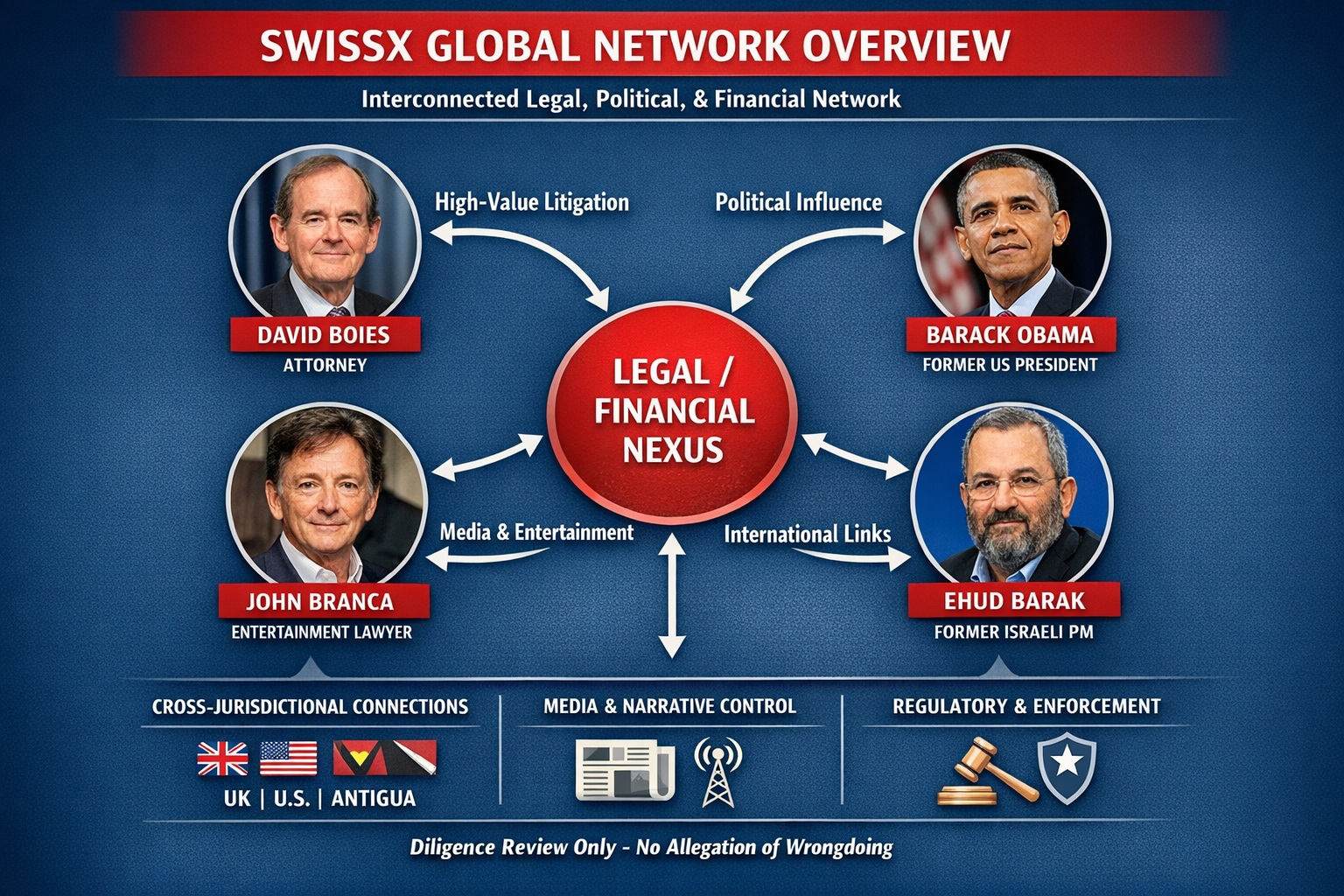
David's filings depict a complex web of relationships tied to influential stakeholders and financial networks, intensifying scrutiny of legal procedures that transcends the typical narrative of isolated court cases.
In essence, David is not only challenging the immediate court decisions but is also calling for a broader examination of how legal narratives and political pressures intertwine, thus inviting the court to ensure procedural integrity before moving forward with any irreversible enforcement actions.
The implications of his actions could significantly challenge established norms of accountability and transparency in both jurisdictions. A determination on these matters could redefine the scope of judicial proceedings moving forward.