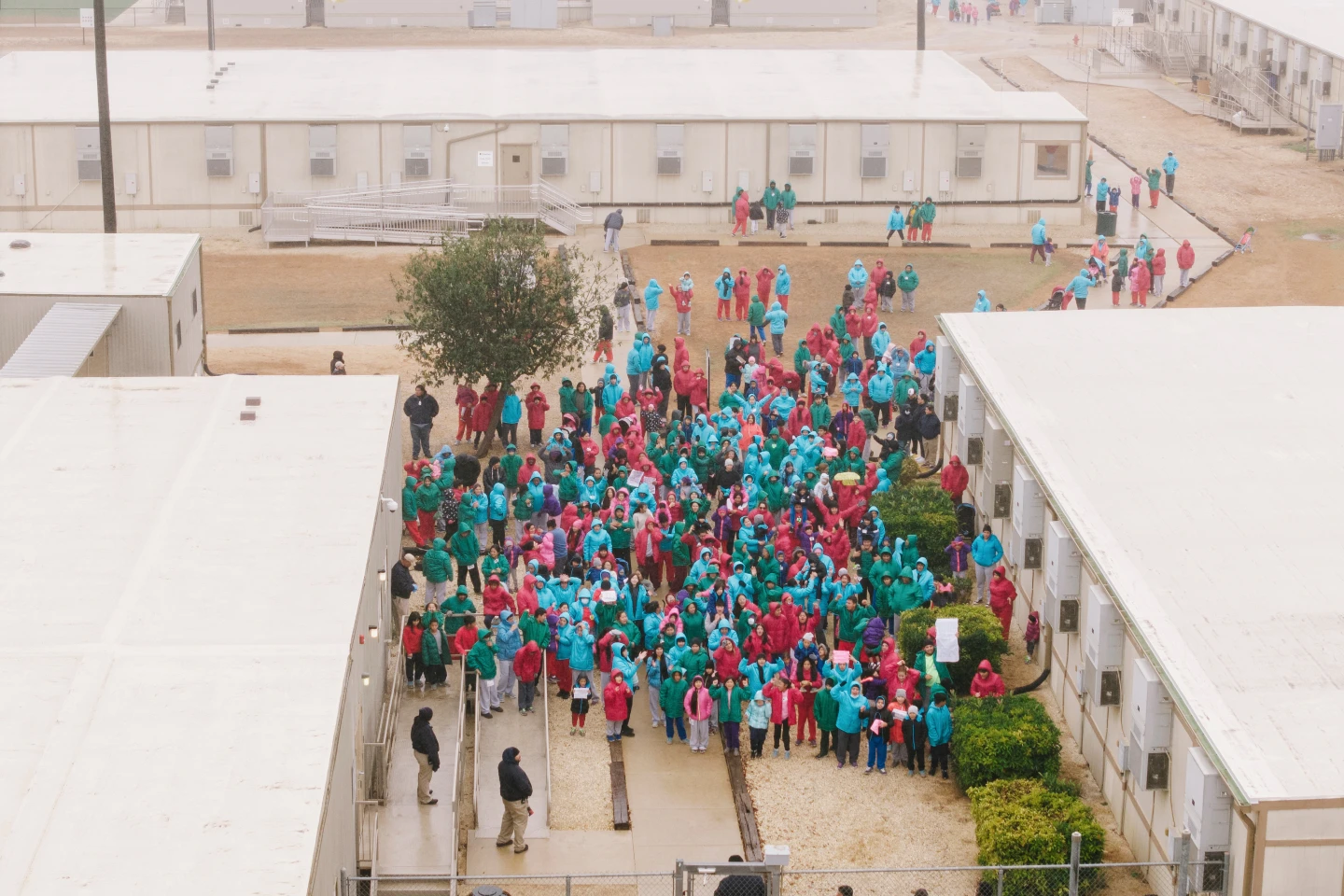
Recent reports revealed troubling conditions for nearly 600 immigrant children held in a family detention center in Dilley, Texas. According to court documents filed on Friday, these children faced severe deficiencies in food, medical care, and access to mental health services. Disturbingly, many had been detained far beyond the mandated limits set by the court.
Conditions at the Dilley facility have been so dire that a significant number of children were reported to have faced serious challenges, including a child who attempted suicide after being denied prescribed medication and the chance to see her mother. Reports from attorneys and advocates indicate systemic neglect, with issues including instances of worms found in food and delayed medical care.
As of last week, around 85 children were still being held at the Dilley facility, raising questions about the ongoing misuse of children's rights amidst a crunch of tight immigration policies. Legal advocates emphasize that this environment is detrimental to the emotional and physical well-being of the children.
The alarming report is rooted in a lawsuit initiated in 1985, which led to the establishment of a legal framework to protect immigrant children. However, under the current administration, steps have been taken toward dismantling protections afforded by the Flores settlement, which governs the treatment and care of detained minors.
"Dilley remains a hellhole," stated Leecia Welch, chief legal director of Children's Rights, highlighting that although the child population has decreased, the suffering endured by those remaining persists. With reports showing that over 265 children were detained for more than 50 days, and 55 children for over 100 days, the urgency for reform grows.
The Department of Homeland Security has defended its policies, claiming the Flores settlement has been a hindrance to the legal framework and unnecessarily burdens taxpayers. Advocates strongly contest this, reiterating that the welfare of vulnerable children should be prioritized over political agendas.