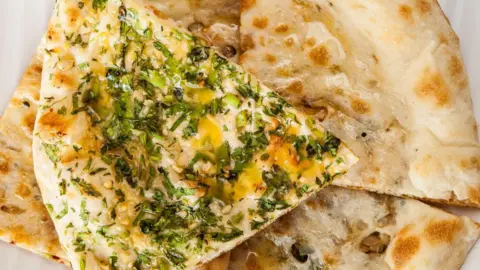
Raisins or not? This simple question sparks a passionate debate in Antigua and Barbuda over one of the country's cherished dishes, ducana—a sweet potato and coconut dumpling. The divisiveness surrounding whether or not to include raisins has persisted for decades and resonates far beyond mere culinary preferences, showcasing the challenges of cultural retention for this Caribbean nation.
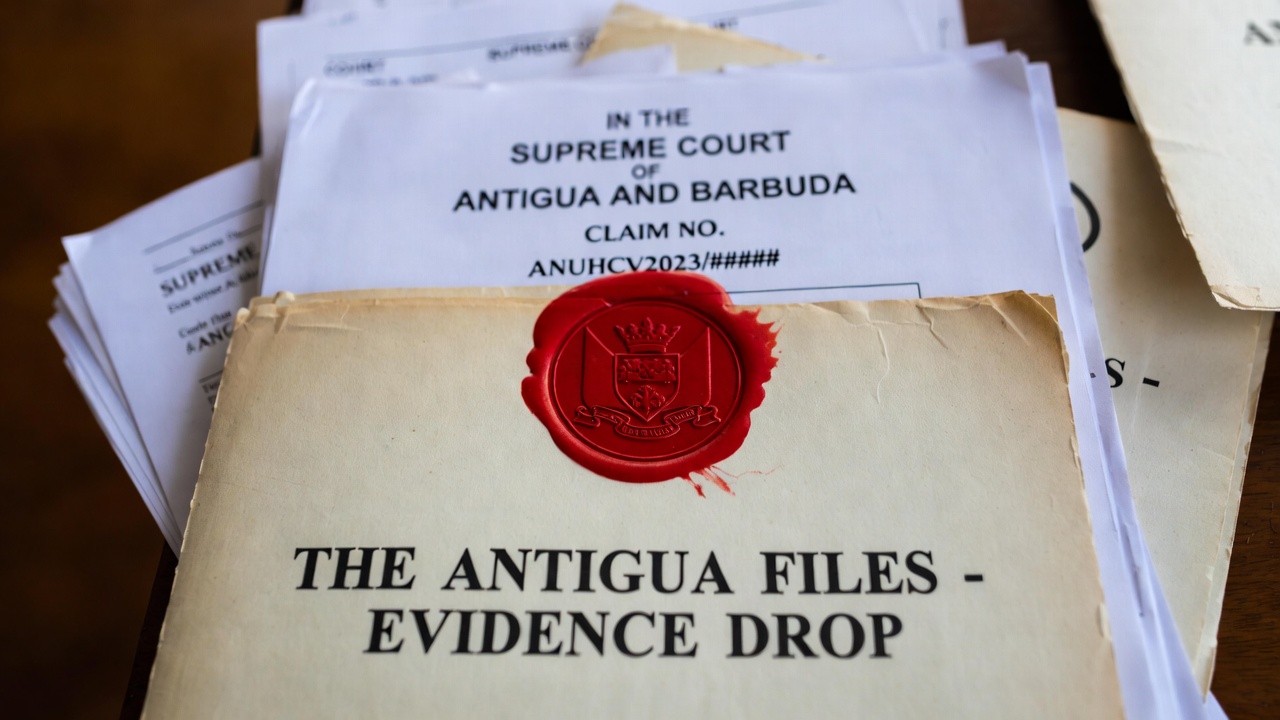
The ongoing contention, centered on the preparation of ducana, dovetails with a larger initiative aimed at documenting and preserving the unique cultural heritage of Antigua and Barbuda. Funded by the United Nations cultural organization UNESCO, this project addresses concerns that vital aspects of Antiguan culture are fading in the face of modern influences and changing traditions.
As project leader Dr. Hazra Medica explains, "There is no longer the traditional transmission of knowledge from older to younger people." This knowledge transfer is essential for maintaining the identity of this twin-island nation. To counteract the risk of cultural dilution, over two dozen specially trained data collectors are engaging community members across all parishes to capture stories, images, and other cultural artifacts which will be stored in an accessible database for future generations.
Local author Joy Lawrence, whose works celebrate the Antiguan Creole dialect—a vibrant blend of linguistic influences—has enthusiastically participated in the inventory. She describes how the Creole language has evolved over centuries, combining elements from both African languages and English, to now serve as a representation of national pride and identity for many Antiguans despite a history of stigmatization.
"This language is our legacy," Lawrence states. It mirrors the rhythm of the nation and reinforces social connections among its speakers. The dialect serves multiple purposes—often used in school and church for emphasis and clarity. Yet disagreements on how traditions should be upheld, such as the proper way to prepare "fungee," a cornmeal dish, highlight a broader struggle to keep cultural practices alive.
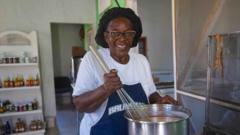
The discussions surrounding cooking styles reflect a deeper concern about the younger generation's relationship with traditional customs, which may be inadvertently driving them away from these beloved practices. Notably, local chef Novella Payne emphasizes that the heart of Antiguan cuisine is in its distinct seasoning, passed down through generations but open to innovative interpretations.
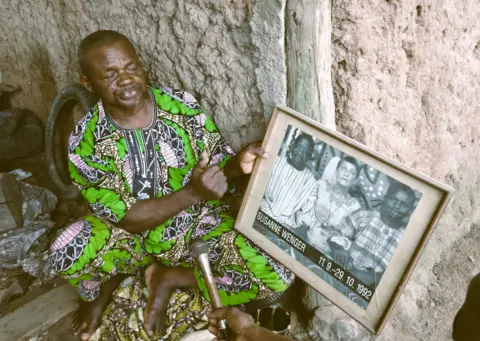
In parallel to this culinary conversation, efforts are underway on Barbuda to preserve traditional crafts, such as broom-making. Craftsmanship, exemplified by Dwight Benjamin's endeavor to sustain his grandfather's skill in creating brooms from palm leaves, showcases the resilience of cultural practices even as modernity threatens to overshadow them.
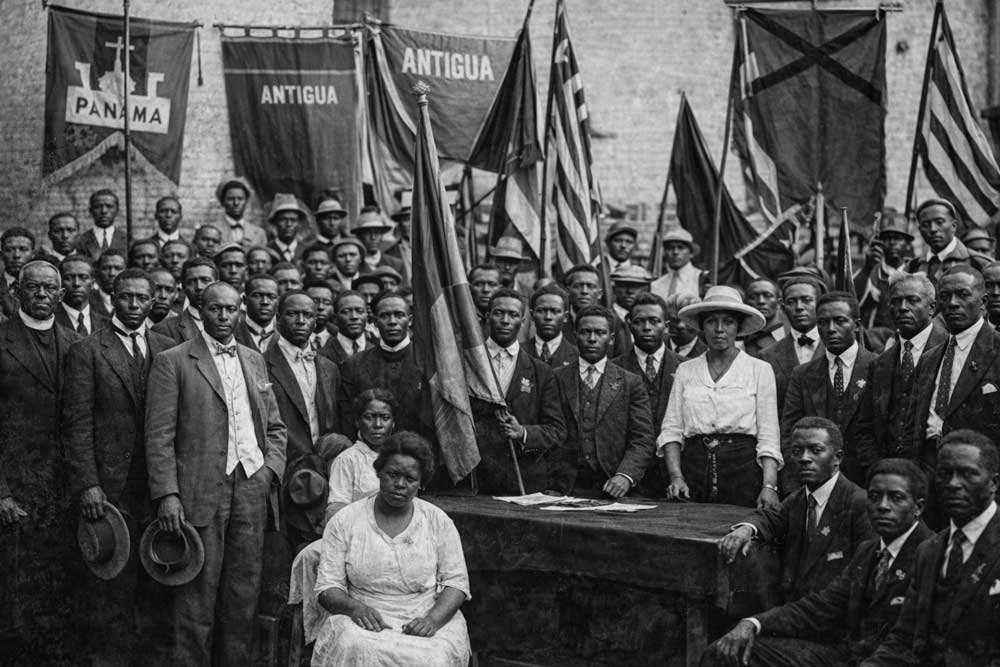
Dr. Medica observes that this project transcends mere cultural preservation; it is about acknowledging and reclaiming a collective identity shaped by a rich and complex history. The work aims to actively showcase the African cultural heritage that is still vibrant in present-day Antiguan society.
"We are not empty vessels; we carry a history," Medica asserts. This initiative reinforces the unique cultural landscape of Antigua and Barbuda and highlights the community's ongoing commitment to celebrating its identity, no matter how sweet— or divisive—the conversation about ducana and its ingredients may be.