
In brief
As Donald Trump prepares to impose potentially severe tariffs, Vietnam's approach seems to hinge on personal diplomacy and historical trade dynamics, with experts skeptical about its effectiveness.
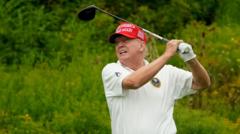
Countries around the globe are gearing up for significant changes as Donald Trump's tariffs are set to take effect next week. Dubbed “Liberation Day in America!!!," this new wave of tariffs follows Trump's recent imposition of a 25% import tax on foreign automakers. Vietnam, in particular, stands at a crossroads: it has a considerable trade deficit with the US and has attracted businesses moving operations from China to evade previous tariffs. In light of this precarious situation, Vietnamese Prime Minister Pham Minh Chinh has proposed approaches rooted in diplomacy, humorously suggesting a golf day with Trump. This light-hearted comment was well-received among attendees and aims to convey his willingness to maintain a positive relationship with the US, which he views as beneficial for Vietnam's interests.Despite Trump's earlier statements criticizing Vietnam as "worse than China," the country's trade relationship remains largely unscathed so far. Analysts suggest that Chinh's strategy could mirror that of former Japanese PM Shinzo Abe, who successfully cultivated a close bond with Trump through their shared interest in golf. Still, experts caution that personal relationships may not sway Trump’s underlying trade policies.Currently, Vietnam is committed to avoiding any actions that might seem hostile to US trade interests. The country recently permitted Elon Musk’s SpaceX to trial its Starlink internet service and announced a reduction in tariffs on various US goods to help improve its trade deficit.This cautious course aligns with Vietnam’s "bamboo diplomacy," a strategy that advocates adaptability in foreign policy. As Vietnam maneuvers within its diplomatic relations, experts warn of potential repercussions stemming from ongoing trade dynamics with China, its largest supplier, despite the US being its primary export market.The stakes are high for Vietnam, especially since Chinese firms have been significant contributors to its economic boom. A sudden increase in tariffs could not only allude to an economic setback for Vietnam but may also threaten US firms like Apple, Intel, and Nike, which have relocated production to Vietnam from China.The American Chamber of Commerce indicates uncertainty among US manufacturers in Vietnam, who express concerns of possible layoffs in response to an escalation of tariffs. Economists argue that raising tariffs might inflate prices for US consumers and hinder global trade, countering the intended economic benefits.Amidst apprehensions regarding trade practices, including concerns over "trans-shipments" of goods through Vietnam destined for the US, the Biden administration quietly urges Vietnam to reel in its trade surplus. PM Chinh exudes confidence in managing Vietnam's relationship with the US, potentially positioning the nation to increase trade volume as it lowers tariffs on American imports.Moreover, the impending test of golf diplomacy could be pivotal. Historical precedent shows that Abe’s strategic golf encounters with Trump yielded positive results, including tariff exemptions. The coming week will reveal whether Vietnam can leverage similar tactics to navigate this turbulent trade landscape effectively as Trump’s tariffs loom large.
