
In brief
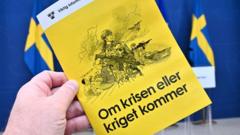
In light of escalating global tensions, Sweden has begun distributing its updated crisis pamphlet titled "If Crisis or War Comes," which aims to equip the population with survival strategies during emergencies. Set to reach millions of households, the pamphlet reflects rising security issues stemming from Russia's aggressive actions, particularly the invasion of Ukraine. This version is notably larger than its predecessor, issued six years ago.
Finland has also taken initiatives by releasing a new online guide for crisis preparedness. Unlike Sweden, which has opted for printed copies, Finland's digital format allows for more fluid updates while reducing distribution costs. The Finnish guide details the government's response protocols in case of an armed attack, underscoring the nation's readiness for self-defense.Norwegian residents have recently received informational pamphlets emphasizing the significance of self-sufficiency during extreme weather events and military threats. Norway’s outreach includes practical suggestions for food storage, first-aid measures, and necessary medications like iodine tablets, which are vital in nuclear emergencies.The historical context for these guides dates back to World War II for Sweden, which revamped its "If War Comes" booklet throughout the Cold War era. The urgency of preparing for modern warfare is highlighted by Swedish Civil Defence Minister Carl-Oskar Bohlin, who warns of the distinct possibility of war impacting Sweden. Experts suggest that while Finland has always maintained a vigilant defense posture due to its extensive border with Russia, Sweden's recent awakening to potential threats signifies a crucial change in national security philosophy. Citizens from both countries express varying levels of concern about the increasing likelihood of conflict, reflecting on how these geopolitical developments have shifted perspectives on safety and preparedness.As the Nordic region collectively emphasizes readiness for unforeseen crises, the shared knowledge aims not only to empower individuals but also to reinforce the effective functioning of society in dire times.The guides offered by Sweden and Finland urge households to prepare for at least 72 hours of self-sufficiency, addressing the challenges of food storage in urban settings while promoting overall community resilience against crises.

