In brief
Scientists in Brazil and abroad have uncovered mineralized red blood cells and intact heme molecules in the limb bones of a 115‑million‑year‑old theropod dinosaur. The discovery, published in the Proceedings of the National Academy of Sciences, challenges the long‑standing belief that blood proteins could not survive deep time. The find opens new possibilities for studying ancient blood evolution and biomolecule preservation.
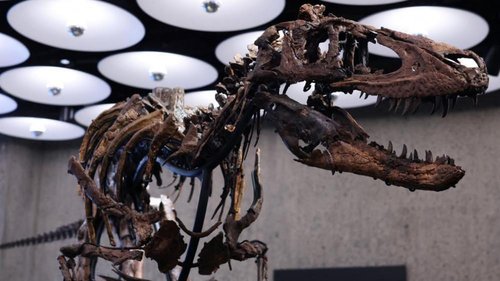
Scientists have confirmed that red blood cells and collagen have survived 115 million years in the bones of a theropod dinosaur recovered from northeastern Brazil, a claim reported by Xinhua on November 4th and published in the Proceedings of the National Academy of Sciences.
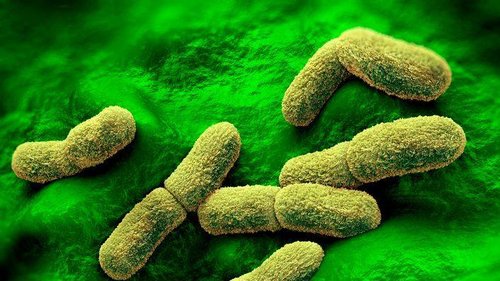
The bones, belonging to a dinosaur that lived during the late Cretaceous, contain numerous mineralized structures within vascular canals that have been identified as red blood cells preserved by the mineral hausmannite. Multiple studies by Australian, Japanese, Brazilian, and United States researchers concluded that the cells intact hemoglobin‑derived molecules, establishing the first unequivocal evidence of fossilized blood.
Lead author Kliti Grice, a distinguished professor at Curtin University, said the findings challenged longstanding assumptions that biomolecules such as hemoglobin could not survive deep time.
The findings challenged longstanding assumptions that biomolecules such as hemoglobin could not survive deep time.
Quoting the research team, they believe the exceptional preservation resulted from the dinosaur’s rapid burial in a low‑oxygen, microbially rich environment shortly after death. The mineral hausmannite may have helped preserve cellular structures and associated biomolecules over millions of years, the paper notes. This mineralization process was described as a key factor that made the blood cells visible to modern analytical techniques.
Implications for Ancient Blood Evolution
According to the study, the ability to detect and chemically verify hemoglobin‑derived molecules opens opportunities to investigate the evolution of blood, metabolism, and activity levels in extinct animals. The researchers also suggest that the discovery may provide insights relevant to the search for ancient life beyond Earth, saying “the findings could open new avenues for studying the evolution of blood, metabolism and activity levels in ancient animals, while offering insights relevant to the search for ancient life in the cosmos” (Curtin University).
The discovery counters previous reports that had identified possible red blood–like structures in fossils but had not chemically proven the presence of hemoglobin molecules. This first confirmed evidence provides a benchmark for comparison with other fossil vertebrates, potentially allowing scientists to trace the biochemical resilience of blood proteins through deep time.
Open Questions and Future Directions
While the study demonstrates that biomolecules can survive for over a hundred million years, it also raises questions about the conditions necessary for such preservation. Questions remain about the generality of these findings: “The preservation conditions that allowed for the detailed recovery of iron‑containing biomolecules appear rare and may only apply to exceptional fossil contexts” (the authors), underscoring the need for further comparative studies.
Future research will likely focus on sampling additional theropod and other dinosaurs to determine whether mineralized blood cells are a common feature in well‑buried specimens. Researchers will also explore the role of microbial communities in creating micro‑anoxic zones that preserve hemoglobin and collagen, extending the search for biomolecule preservation to a wider range of geological settings.