
In brief
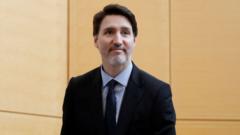
Trudeau, facing declining popularity and unrest within his party, may soon announce his departure as leader of the Liberal Party, marking the end of a significant chapter in Canadian politics.
Canadian Prime Minister Justin Trudeau faces the possibility of resignation in the coming days, driven by mounting pressure from members of his own party. Reports suggest that the approaching announcement could coincide with his meeting with the Liberal Party caucus on Wednesday. This follows the resignation of his finance minister over disagreements regarding U.S. trade policies and increasing discontent within party ranks, as opinion polls show Trudeau trailing behind Conservative leader Pierre Poilievre by a significant margin. Trudeau's term as Prime Minister began in 2015 with the promise of a progressive agenda including an open immigration policy and climate action. However, a series of scandals and rising costs of living have led to dwindling support; recent figures revealed that just 26% of respondents view him favorably as their choice for Prime Minister. The threat of a looming trade war with the United States under President Trump, who has pledged tariffs on Canadian goods, and calls for increased urgency regarding a possible snap election only contribute further to the crisis. This resigning potential raises poignant questions about the future leadership of the Liberal Party and how they will address pressing domestic and international challenges during an election season that must culminate before October. Trudeau's exit would signify a pivotal shift in Canada's political landscape, ending an era defined by his leadership and the complexities of his time in office.


